











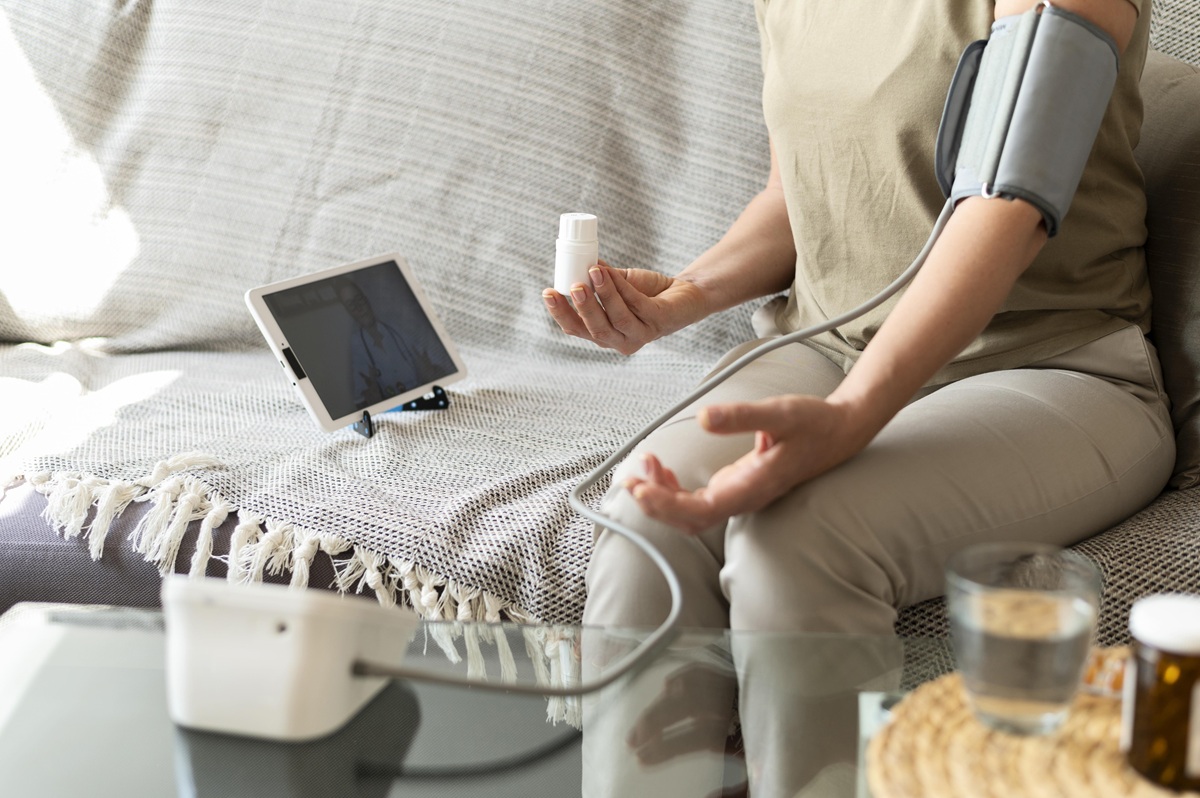


Remote Patient Monitoring (RPM) allows physicians to stay connected with patients between office visits. However, the success of any RPM program depends on more than devices and technology. It depends on patient participation.
Even the most advanced monitoring program provides limited value when patients stop taking readings, forget to use devices, or disengage after enrollment.
For independent practices, patient adherence is often one of the biggest factors influencing RPM program effectiveness. Patients who consistently submit readings provide clinicians with better visibility into their health status, allowing care teams to identify trends and intervene when appropriate.
This guide explores practical RPM patient engagement strategies that can help practices improve adherence and support long-term participation.
Why Patient Adherence Matters in RPM Programs
RPM is designed to collect physiologic data outside traditional clinical settings.
Common monitoring activities include:
- Blood pressure monitoring
- Blood glucose monitoring
- Weight tracking
- Pulse oximetry monitoring
The value of RPM comes from observing health trends over time rather than relying solely on measurements collected during office visits.
When patients stop submitting readings consistently, physicians lose visibility into those trends, making it more difficult to identify changes that may require follow-up.
For this reason, patient engagement is often as important as the monitoring technology itself.
Common Reasons Patients Stop Participating in RPM Programs
Understanding why patients disengage can help practices create more effective engagement strategies.
Common challenges include:
Technology Frustration
Some patients struggle with device setup, connectivity issues, or mobile applications.
Lack of Understanding
Patients may not fully understand why regular monitoring is important.
Monitoring Fatigue
Daily or frequent monitoring can feel burdensome over time.
Limited Feedback
Patients may lose motivation if they never receive communication regarding their readings.
Competing Priorities
Work schedules, family responsibilities, and other life demands can reduce participation.
Recognizing these barriers early can help practices develop more realistic patient engagement plans.
Strategy 1: Set Clear Expectations During Enrollment
Patient engagement often begins before monitoring starts.
During enrollment, practices should explain:
- Why monitoring is being recommended
- How often readings should be submitted
- What patients can expect from the care team
- How monitoring supports their treatment plan
When patients understand the purpose of RPM, they are often more likely to remain engaged over time.
Strategy 2: Start with the Right Patients
Not every patient is an ideal candidate for RPM. Patients should have an appropriate clinical reason for monitoring and be willing to participate in ongoing data collection.
Practices often achieve stronger participation when focusing on patients who:
- Have chronic conditions requiring ongoing management
- Are motivated to participate in their care
- Can comfortably use monitoring devices
- Have a clear clinical reason for monitoring
Careful patient selection can improve both adherence and program sustainability.
Strategy 3: Keep Monitoring Simple
Complex workflows often reduce participation.
Practices can improve adherence by:
- Selecting user-friendly devices
- Minimizing unnecessary steps
- Providing clear instructions
- Offering support when patients encounter problems
The easier it is for patients to submit readings, the more likely they are to continue participating.
Strategy 4: Make Monitoring Relevant to Patients
Patients are often more engaged when they understand how monitoring relates to their health goals.
For example:
- A patient with hypertension may track blood pressure trends.
- A patient with diabetes may monitor glucose patterns.
- A patient with heart failure may monitor weight changes.
Connecting monitoring activities to meaningful health outcomes can help reinforce participation.
Strategy 5: Maintain Consistent Communication
RPM should not feel like a one-way data collection process.
Patients are often more likely to stay engaged when care teams provide:
- Follow-up communication
- Progress updates
- Educational support
- Responses to significant changes in readings
Consistent communication helps patients feel that their monitoring efforts are contributing to their care.
Strategy 6: Use Data to Support Meaningful Conversations
RPM data can create opportunities for more productive patient interactions.
Instead of discussing isolated readings, physicians can review trends and patterns over time.
These conversations can support:
- Medication discussions
- Lifestyle coaching
- Goal setting
- Chronic disease management
Patients often remain more engaged when they see how monitoring data influences clinical decision-making.
Strategy 7: Identify Disengagement Early
Patient participation often declines gradually rather than stopping suddenly.
Practices can monitor for signs such as:
- Missed readings
- Declining submission frequency
- Reduced responsiveness to outreach
Early intervention may help re-engage patients before participation drops significantly.
How Technology Can Support RPM Adherence
Technology can help simplify engagement when integrated into clinical workflows.
Examples include:
- Automated reminders
- Patient communication tools
- Monitoring dashboards
- Care team alerts
- Centralized documentation
The goal is not simply to collect more data. The goal is to help care teams maintain consistent patient engagement while reducing administrative burden.
Best Practices for Long-Term RPM Engagement
Practices that achieve strong participation often focus on several key principles:
- Start with appropriate patient populations
- Simplify device usage
- Set clear expectations
- Communicate consistently
- Use monitoring data meaningfully
- Address participation challenges early
RPM programs are often most successful when engagement strategies are incorporated into routine care processes rather than treated as separate activities.
Final Thoughts
Patient engagement remains one of the most important factors influencing RPM program success.
While monitoring devices provide valuable clinical data, consistent participation is what allows physicians to gain meaningful insight into patient health between visits.
Independent practices that focus on patient education, communication, workflow simplicity, and ongoing support are often better positioned to maintain long-term RPM adherence and strengthen chronic disease management efforts.
Download the RPM Launch Guide for Independent Practices
Looking to improve patient participation in your RPM program?
Download our RPM Launch Guide to explore practical strategies for patient engagement, workflow design, and successful RPM implementation.
See RPM Patient Engagement Workflows in Action
Schedule a demo to see how Advaa Health helps independent practices support Remote Patient Monitoring, patient engagement, automated communication, and connected chronic care management through a unified digital care platform.