











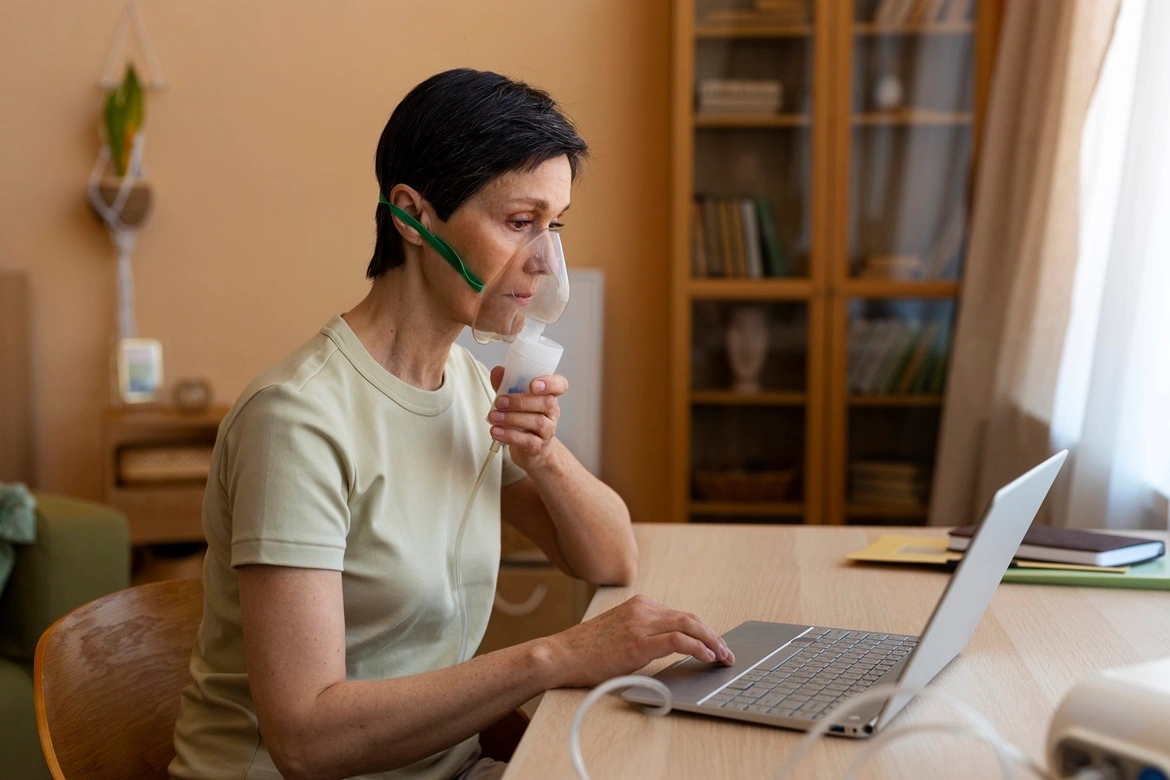


Chronic Obstructive Pulmonary Disease (COPD) is one of the leading causes of chronic illness, hospitalization, and healthcare utilization. For many independent primary care practices, managing COPD extends well beyond office visits. Symptoms can fluctuate over time, and exacerbations often develop gradually before patients seek medical attention.
Remote Patient Monitoring program helps practices maintain greater visibility into patient health between visits by collecting physiologic data from patients in their home environment. Rather than replacing routine care, RPM provides additional clinical information that can support earlier interventions, improve patient engagement, and strengthen chronic disease management.
For independent practices caring for Medicare and other high-risk populations, COPD is often one of the most appropriate conditions for RPM.
This guide explains how primary care practices can use RPM to support COPD management while keeping workflows practical and patient-centered.
Why COPD Is Well Suited for Remote Patient Monitoring
COPD is a chronic, progressive disease that requires continuous management rather than episodic treatment.
Many patients experience periods of stability followed by gradual symptom worsening. Changes may occur days before an exacerbation becomes severe enough to require urgent care or hospitalization.
Routine office visits alone may not capture these changes.
RPM allows physicians to monitor patient health between appointments by reviewing physiologic measurements collected at home. When combined with patient communication and clinical judgment, these trends can help practices identify changes that warrant earlier follow-up.
For many independent practices, RPM complements existing COPD management by extending visibility beyond the clinic.
Which COPD Patients Benefit Most From RPM?
Not every patient with COPD requires remote monitoring.
Practices often see the greatest value among patients who:
- Have moderate to severe COPD
- Experience frequent exacerbations
- Have multiple chronic conditions
- Have recently been discharged following hospitalization
- Require oxygen therapy
- Have difficulty recognizing worsening symptoms
- Need closer follow-up between office visits
Patient selection should always be based on clinical judgment and individual care needs rather than diagnosis alone.
What Physiologic Data Can Be Monitored?
RPM programs may monitor several physiologic measurements depending on patient needs.
Common examples include:
- Blood oxygen saturation (SpO₂)
- Heart rate
- Blood pressure
- Body weight
- Respiratory symptoms reported by patients
- Activity levels when clinically appropriate
No single measurement should be interpreted in isolation.
Instead, physicians evaluate trends over time along with symptoms, medication adherence, and overall clinical condition.
How RPM Supports Earlier Recognition of COPD Exacerbations
COPD exacerbations rarely occur without warning.
Patients may gradually develop:
- Increased shortness of breath
- Lower oxygen saturation
- Increased cough
- More frequent rescue inhaler use
- Reduced physical activity
- Greater fatigue
When practices review patient trends consistently, they may recognize deterioration earlier than routine follow-ups allow.
Early identification creates opportunities for timely clinical assessment, medication adjustment, patient education, or earlier in-person evaluation.
RPM supports clinical decision-making but does not replace physician assessment.
Improving Patient Engagement Between Visits
Successful COPD management depends heavily on patient participation.
Many patients struggle with:
- Daily symptom monitoring
- Medication adherence
- Smoking cessation
- Pulmonary rehabilitation participation
- Lifestyle modifications
RPM encourages more frequent interaction between patients and care teams.
When patients know their data is being reviewed, they often become more consistent in reporting symptoms and following treatment plans.
What Happens When RPM Identifies a COPD Concern?
Remote Patient Monitoring is not intended to replace clinical judgment or emergency care. Instead, it provides earlier visibility into changes that may require follow-up before escalation.
Independent practices should establish clear response workflows:
Review the Patient’s Recent Trends
A single abnormal reading is rarely sufficient for clinical action. Physicians or care teams should review:
- SpO₂ trends
- Symptom reports
- Recent readings over time
Trend context is more important than isolated values.
Contact the Patient
If changes appear clinically relevant, the care team contacts the patient to assess:
- Breathing difficulty
- Inhaler use
- Recent infection or triggers
- Medication adherence
Determine the Next Clinical Step
Based on findings, the physician may recommend:
- Continued monitoring
- Medication adjustment
- Earlier clinic visit
- Additional diagnostic evaluation
- Emergency care if severe symptoms are present
Document Clinical Actions
All communication and decisions are documented to ensure continuity of care and compliance with RPM workflows.
Real-World RPM Workflow Simulation for COPD in Independent Practices
To understand how RPM works in real clinical environments, here is a practical RPM workflow used in many independent primary care practices managing COPD patients.
Patient Enrollment (Day 0–1)
For Example:
A 67-year-old Medicare patient with moderate COPD is enrolled in RPM after a recent urgent care visit.
Care team actions:
- Medical assistant enrolls patient in RPM program
- Patient receives pulse oximeter and BP device
- Nurse explains daily monitoring routine
- Physician documents baseline COPD status
👉 RPM is positioned as an extension of routine chronic care.
Stable Monitoring Phase (Day 2–15)
- SpO₂ remains stable at 93–95%
- No major symptom changes
- Data flows automatically into RPM dashboard
Care team workflow:
- MA reviews dashboard once daily
- Only abnormal trends are flagged
👉 Most patients remain stable and require no intervention.
Early Clinical Change Detected (Day 18)
System flags:
- SpO₂ decline: 94% → 91% over 3 days
- Patient reports increased shortness of breath
Step 1: Trend Review
- Nurse reviews 7-day trend + symptoms
- Confirms clinically relevant decline
Step 2: Patient Outreach
- Patient reports fatigue and increased inhaler use
Step 3: Physician Review
- Physician evaluates case
- Adjusts treatment plan or schedules earlier visit
Step 4: Documentation
- All findings documented in RPM record
Stabilization Phase (Day 25–30)
After intervention:
- SpO₂ returns to baseline
- Symptoms improve
- No ER visit required
👉 Early intervention prevented escalation.
Why This Workflow Matters
This structure demonstrates the core RPM value:
- Without RPM → delayed recognition → higher hospitalization risk
- With RPM → early trend detection → outpatient intervention
For independent practices, this model is typically:
- 10–20 minutes/day per staff member
- Nurse/MA-led first review layer
- Physician escalation only when needed
Operational Considerations Before Launching COPD RPM
Successful implementation requires structured workflows.
Identify Appropriate Patients
Start with high-risk COPD populations.
Define Care Team Roles
Assign responsibilities for:
- Data review
- Patient communication
- Escalation
- Documentation
Establish Monitoring Protocols
Define thresholds and response rules.
Educate Patients
Ensure patients understand:
- Device usage
- Reporting expectations
- Emergency vs routine care
Common Challenges Practices Should Expect
- Patient drop-off in engagement
- Device or tech issues in older adults
- Alert fatigue without proper thresholds
- Workflow fragmentation
Technology That Supports COPD RPM
Effective RPM systems include:
- Connected devices
- Automated data capture
- Clinical dashboards
- Messaging tools
- Documentation support
- Care team alerts
Best Practices for Long-Term COPD RPM Success
- Start with appropriate patients
- Keep workflows simple
- Use trend-based review
- Communicate consistently
- Integrate into routine chronic care
Final Thoughts
COPD management requires continuous visibility beyond office visits.
Remote Patient Monitoring enables independent practices to detect early changes, support timely intervention, and improve long-term disease control.
When implemented with structured workflows, RPM becomes a practical extension of chronic care—not an added burden.
For independent primary care practices, RPM is ultimately about transforming data into earlier, more connected patient care.
Download the RPM Launch Guide for Independent Practices
Learn implementation strategies, patient selection frameworks, and workflow design for RPM success.
See COPD RPM Workflows in Action
Schedule a demo to see how Advaa Health supports chronic care, RPM workflows, and patient engagement in one unified platform.