








If your organization has received Rural Health Transformation Program (RHTP) funding through your state, the planning phase is behind you. The question now is practical: how do you put care within reach of patients who live an hour or more from the nearest clinic, and keep them connected after the first visit?
Many state RHTP plans name telehealth, remote monitoring, and technology-enabled care as priorities. Hardware and software that work together can help you act on those priorities without building everything from scratch.
Funding uses vary by state and by award. Confirm what your agreement allows before purchasing any technology. For the program basics, see our overview of what RHTP means for providers.
The Gap Between Funding and Access
Rural care access tends to break down in the same places: distance, transportation, workforce shortages, and patients who lose contact between visits. A telehealth visit only works if the patient has a private space, working equipment, and a reliable connection. A monitoring device only helps if someone reviews the readings and acts on them.
Pairing a physical care point with care management software closes that gap. One without the other leaves it open.
What CareBooth Adds
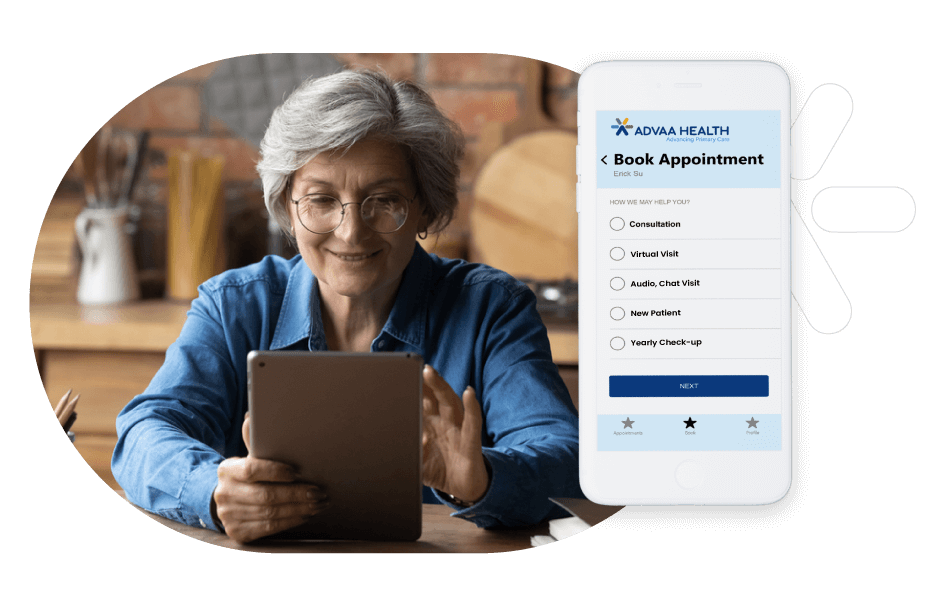
For RHTP awardees, CareBooth hardware provided together with Advaa Health’s RPM and CCM software and EHR integration addresses three needs:
- A place to deliver care. Community sites such as clinics, pharmacies, schools, libraries, or workplaces can serve patients who would otherwise travel long distances.
- Connected monitoring between visits. Readings flow into the same platform clinicians use to manage the patient, not a separate portal.
- Documentation in one place. Because the technology connects to your existing EHR, care plans, readings, and time-based documentation are not entered twice.
Connecting CareBooth to RPM and CCM
A care point gets patients in the door. RPM and CCM keep them engaged afterward.
Remote patient monitoring (RPM) lets clinicians track measurements such as blood pressure or glucose for eligible patients between visits and respond when readings change. In rural communities, where a routine check can mean a long drive, RPM can help care teams spot problems earlier and reduce unnecessary travel, supporting the chronic disease and technology goals many RHTP plans prioritize.
Chronic care management (CCM) gives care teams a structured way to coordinate care for patients with multiple chronic conditions. For rural awardees, CCM helps keep patients connected through regular outreach, care plans, and follow-up, even when clinics are far away, helping turn RHTP-funded access points into continuing care rather than one-time visits.
Medicare may pay separately for qualifying RPM and CCM services when program requirements are met. Eligibility depends on provider type, patient, and documentation, and requirements differ for RHCs and FQHCs compared with standard physician practices. Confirm current rules with your Medicare Administrative Contractor before building a revenue model.
Questions to Ask Before You Commit
RHTP funds are time-limited, so hardware and software choices deserve scrutiny:
- Is the purchase an allowable use under our state agreement?
- Does the platform integrate with our current EHR?
- Who supports installation, device management, and patient onboarding?
- Who provides clinical monitoring support if our staff cannot cover every alert?
- What reporting can the platform produce for our state’s requirements?
- Can the program keep running if grant funding ends?
For broader context on telehealth in rural care, read our post on telemedicine in primary care.
Start With a Small, Defined Rollout
Organizations that move well begin narrowly: one or two sites, a defined patient group, a named clinical owner, and clear escalation steps. Run a pilot, find what breaks, then expand. This keeps early costs controlled and gives you real data for your state reporting.
The Bottom Line
RHTP funding gives awardees a chance to invest in rural care access that lasts. The strongest programs connect a physical care point, telehealth, remote monitoring, and care management in one workflow, and are built to continue beyond the grant period.
To see how CareBooth and Advaa Health’s RPM and CCM software can support your RHTP initiative, schedule an appointment with Advaa Health about CareBooth and your RHTP program