







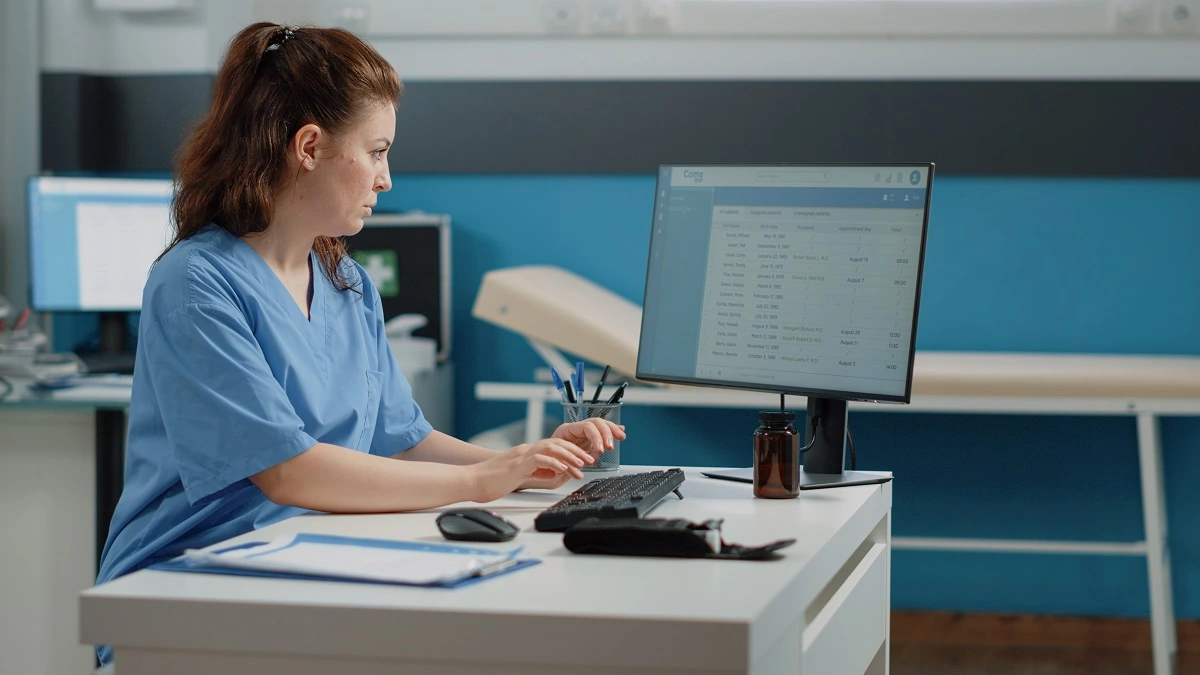


Independent practices are under increasing pressure to manage chronic disease populations more proactively while adapting to CMS’s shift toward longitudinal and outcome-focused care models.
As Remote Patient Monitoring (RPM) and Chronic Care Management (CCM) programs expand, many physicians are discovering that disconnected systems create operational inefficiencies, documentation challenges, and staff burden that traditional workflows were never designed to handle.
Integrated EHR and RPM platforms are emerging as a more sustainable approach—helping practices centralize patient monitoring, documentation, communication, and care coordination within a connected workflow environment.
Why Chronic Care Management is Becoming More Complex for Independent Practices
Why Chronic Disease Management is Overwhelming Traditional Workflows
CMS defines Chronic Care Management as care coordination services for patients with two or more chronic conditions expected to last at least 12 months or until the patient’s death. Managing these patients often requires continuous monitoring, medication management, follow-up communication, and coordination between care teams.
Traditional visit-based workflows were not designed for this level of continuous engagement. Independent practices now face growing operational pressure as chronic care increasingly extends outside the exam room.
Growing Documentation Burden on Physicians and Staff
RPM and CCM programs require extensive documentation, including:
- Care management time tracking
- Patient interactions
- Device-generated physiologic data
- Clinical review and decision-making
Incomplete documentation is one of the most common reasons for RPM and CCM claim denials. As programs scale, manual tracking becomes increasingly difficult for smaller practices.
Why Disconnected Systems Create Gaps in Patient Follow-Up
Many independent practices still operate with fragmented workflows:
- Separate RPM dashboards
- Standalone communication tools
- Manual spreadsheets
- Disconnected EHR documentation
When patient information is spread across multiple systems, care coordination becomes harder and follow-up opportunities can be missed. Interoperability challenges remain a major issue across healthcare operations
How CMS is Pushing Practices Toward Longitudinal Care Models
CMS increasingly supports care models focused on continuous patient management rather than isolated office visits. Programs such as CCM and RPM are designed to encourage proactive care, particularly for chronic disease populations.
This broader shift toward value-based care means practices must think beyond traditional fee-for-service workflows.
You can read more in our related article: From Fee-for-Service to Value-Based Care: What Independent Practices Need to Know.
What Integrated EHR and RPM Platforms Actually Mean
Difference between standalone RPM tools and integrated platforms
Standalone RPM tools often create workflow fragmentation because physicians and staff must move between multiple systems to review data, document interactions, and manage patient care.
Integrated EHR and RPM platforms combine:
- Clinical documentation
- Patient monitoring
- Care coordination
- Communication workflows
- Billing support
within a unified environment.
This reduces operational friction and improves visibility across the care continuum.
How Integrated Workflows Improve Clinical Visibility
Integrated workflows allow physicians and staff to view:
- Patient vitals
- Care plans
- Historical trends
- Follow-up activities
- Clinical notes
from a centralized system.
This improves continuity and makes chronic care management more actionable instead of reactive.
Why Centralized Patient Data Matters in Chronic Care
Chronic care management depends heavily on longitudinal patient information. Care plans often require:
- Medication monitoring
- Symptom tracking
- Preventive interventions
- Multi-disciplinary coordination
Centralized data helps practices manage these activities more consistently and reduces gaps between visits.
How Integrated Systems Reduce Duplicate Documentation
Disconnected workflows often force staff to enter the same information multiple times across different systems.
Integrated platforms help reduce:
- Duplicate charting
- Manual transcription
- Billing inconsistencies
- Workflow inefficiencies
This becomes increasingly important as RPM programs expand.
How RPM Supports Better Chronic Care Management
How Remote Monitoring Improves Continuity Between Visits
RPM allows physicians to monitor patient health outside traditional office visits using connected medical devices.
CMS recognizes RPM as an ongoing clinical management service—not passive data collection. This allows practices to maintain visibility into chronic conditions between encounters.
Earlier Identification of High-Risk Patients Through RPM
RPM helps practices identify worsening trends earlier, including:
- Blood pressure instability
- Glucose fluctuations
- Weight changes
- Oxygen saturation decline
Earlier detection may allow faster intervention before complications escalate.
Our related blog on: AI and Remote Patient Monitoring: A Physician’s Guide to Better Outcomes and Smarter RPM Programs explores how AI-assisted monitoring supports earlier risk identification.
Why Chronic Care Patients Benefit from Ongoing Monitoring
Patients with chronic conditions often experience changes between scheduled visits. RPM supports:
- Ongoing observation
- Treatment adjustments
- Continuous engagement
- Better adherence tracking
This helps create more proactive care workflows.
How Rpm Supports Proactive Instead of Reactive Care
Traditional care models are often reactive, responding after symptoms worsen. RPM enables practices to identify concerning trends earlier and intervene before avoidable complications occur.
This aligns closely with CMS’s long-term goals around preventive and longitudinal care.
How Integrated EHR + RPM Workflows Improve Physician Efficiency
Reducing Manual Data Entry and Administrative Workload
Manual RPM management can quickly become operationally overwhelming. Integrated workflows reduce the need for:
- Manual data uploads
- Separate documentation systems
- Duplicate charting
- Spreadsheet tracking
This improves operational consistency and reduces administrative burden.
How Integrated Alerts Reduce Staff Confusion
Disconnected RPM systems can create notification overload and workflow confusion. Integrated platforms centralize alerts within existing clinical workflows, helping staff prioritize patient follow-up more effectively.
Why physicians need actionable insights instead of raw data
Large amounts of physiologic data alone do not improve outcomes. Physicians need systems that surface clinically meaningful information rather than overwhelming staff with unnecessary alerts.
AI-assisted RPM workflows are increasingly being used to:
- Prioritize high-risk patients
- Identify meaningful trends
- Reduce alert fatigue
- Improve monitoring efficiency
How Automation Helps Reduce Physician Burnout
Administrative overload remains a major contributor to physician burnout. Automation can help reduce repetitive operational tasks associated with:
- Documentation
- Monitoring review
- Workflow coordination
- Care management tracking
The Role of AI in Integrated RPM and EHR Workflows
How AI Helps Prioritize High-Risk Patients
AI-assisted RPM systems can analyze physiologic trends and identify patients who may require earlier intervention. This helps practices focus attention where it is most clinically necessary.
Reducing Alert Fatigue Through Intelligent Monitoring
One major challenge in RPM programs is alert fatigue. AI-supported systems can help reduce unnecessary notifications by filtering clinically insignificant fluctuations.
Ai-Assisted Documentation and Clinical Summaries
AI-enabled workflows are increasingly supporting:
- Clinical summaries
- Documentation assistance
- Trend analysis
- Workflow automation
This helps reduce administrative complexity as RPM programs scale.
Why AI Matters as Rpm Programs Scale
As patient enrollment grows, RPM programs generate substantial amounts of physiologic data. AI-supported automation helps practices scale monitoring programs more sustainably without dramatically increasing staff burden.
RPM Billing and Compliance Challenges Practices Must Understand
Common RPM Documentation Mistakes That Create Audit Risk
CMS and OIG continue monitoring RPM compliance closely. Common issues include:
- Missing time documentation
- Incomplete patient communication records
- Lack of medical necessity support
- Improper data transmission tracking
Understanding CMS RPM CPT Code Requirements
CMS RPM billing requires:
- FDA-defined medical devices
- Automatic physiologic data transmission
- Minimum data thresholds
- Interactive communication requirements
Practices should ensure workflows meet current CMS standards before scaling RPM programs.
Why Data Transmission and Time Tracking Matter
RPM reimbursement depends heavily on:
- Accurate time tracking
- Device connectivity
- Consistent data collection
- Proper documentation
Integrated systems help reduce missed billing opportunities caused by fragmented workflows.
How Integrated Platforms Support Compliance Readiness
Integrated RPM and EHR platforms help practices standardize:
- Documentation
- Monitoring workflows
- Time tracking
- Audit preparation
This becomes especially important for smaller independent practices with limited operational resources.
Why Integration Matters for Value-Based Care and CMS Programs
How integrated care supports outcome-focused reimbursement
CMS continues moving toward care models focused on outcomes and longitudinal management rather than visit volume alone.
Integrated RPM and EHR workflows support:
- Continuous patient oversight
- Preventive intervention
- Care coordination
- Population health visibility
Why CMS Increasingly Favors Connected Care Infrastructure
Programs such as RPM and CCM demonstrate CMS’s growing emphasis on digitally enabled care infrastructure that supports continuous patient management.
The connection between RPM, CCM, and value-based care
RPM and CCM work together to strengthen chronic disease management outside traditional office visits. Combined workflows help practices:
- Improve continuity
- Increase engagement
- Track patient progress more consistently
How Integrated Platforms Support Future CMS Readiness
As CMS expands digitally enabled care initiatives, practices with integrated workflows may be better positioned operationally for future reimbursement and compliance requirements.
You can also explore: What the CMS ACCESS Model Means for Independent Practices
What Independent Practices Should Look for in an Integrated EHR and RPM Platform
Must-Have Workflow and Automation Features
Practices evaluating integrated platforms should look for:
- Automatic data capture
- Time tracking
- Centralized dashboards
- Care coordination workflows
- Audit-ready reporting
Why Interoperability and Usability Matter
Even advanced platforms can create operational problems if usability is poor. Physician adoption depends heavily on workflow simplicity and interoperability.
Questions Physicians Should Ask Before Adopting RPM Software
Important evaluation questions include:
- Does the platform integrate directly with the EHR?
- How is RPM documentation handled?
- Does the system support CMS compliance?
- How are alerts prioritized?
- What operational burden falls on staff?
Why Implementation Simplicity Matters for Small Practices
Independent practices often operate with limited staffing resources. Complex implementations can create workflow disruption and slow adoption.
Solutions that simplify onboarding and operational workflows are often more sustainable long term.
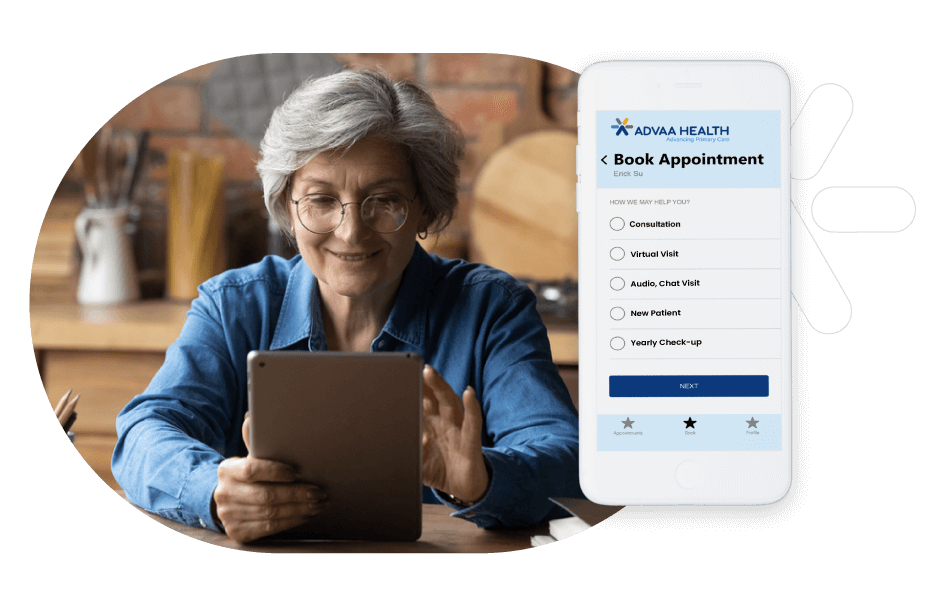
How Advaa Health Supports Integrated Chronic Care Workflows
Advaa Health combines:
- EHR workflows
- RPM monitoring
- Patient engagement tools
- AI-assisted operational support
within a connected care platform designed for independent practices.
Rather than forcing physicians to manage multiple disconnected systems, integrated workflows help streamline:
- Chronic care coordination
- Patient follow-up
- Documentation workflows
- RPM operational management
For independent practices evaluating RPM adoption, seeing how integrated workflows operate in a real clinical environment can help clarify staffing, documentation, and operational requirements before implementation
Schedule a demo with Advaa Health
Key Takeaway for Independent Practices
Chronic care management is becoming increasingly complex as healthcare moves toward longitudinal and outcome-focused care models.
Disconnected systems often create:
- Documentation challenges
- Workflow inefficiencies
- Compliance risks
- Staff burden
Integrated EHR and RPM platforms help practices centralize care coordination, improve operational visibility, and support more sustainable chronic care workflows.
For independent practices navigating RPM adoption, CMS programs, and value-based care transitions, integrated infrastructure is becoming less of a convenience—and more of a long-term operational necessity.