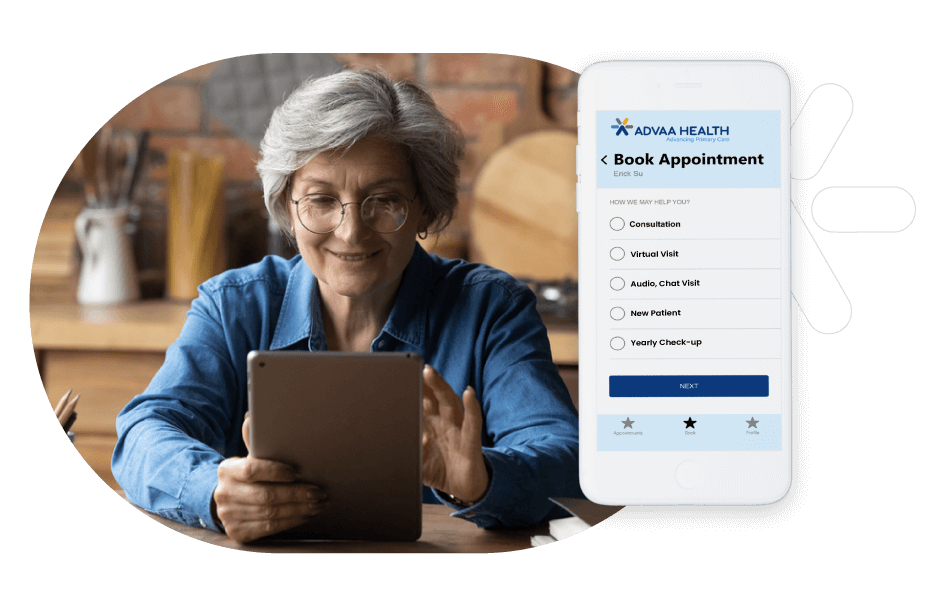









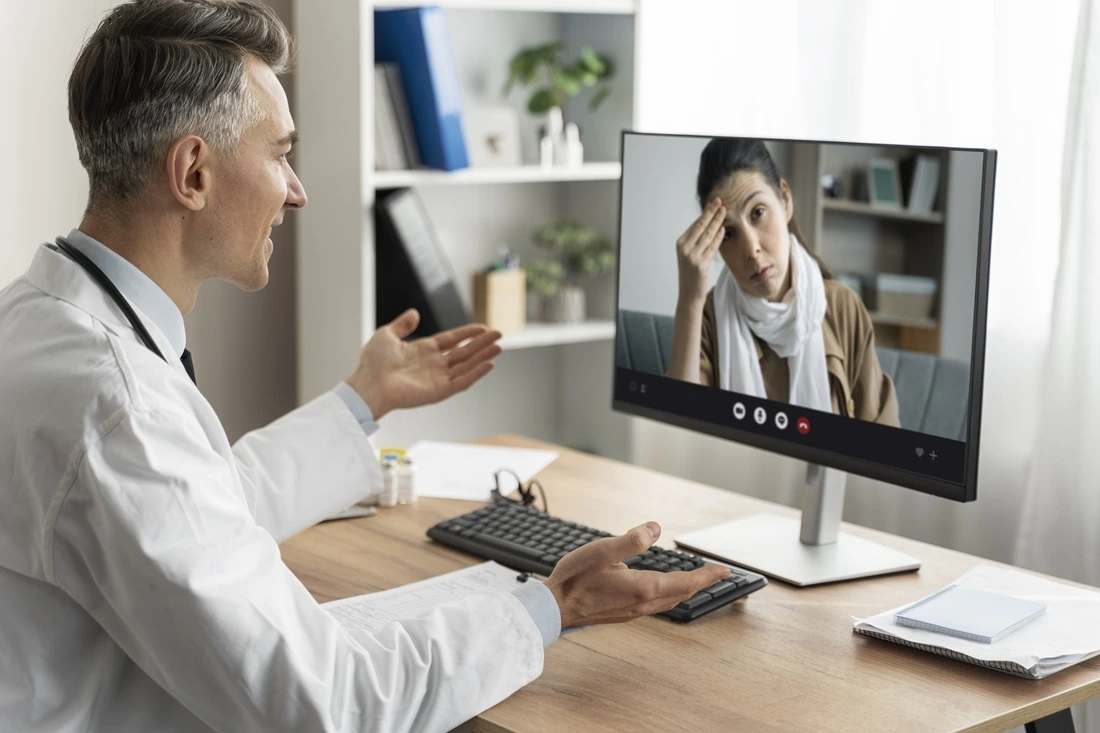


Remote Patient Monitoring (RPM) is no longer a future-focused care model reserved for large health systems. In 2026, independent practices are increasingly adopting RPM to improve chronic care management, strengthen patient engagement, and create more sustainable recurring revenue opportunities.
As chronic disease rates continue to rise across the United States, patients expect more continuous and connected care experiences beyond the traditional office visit. At the same time, independent practices are under pressure to improve outcomes while managing operational efficiency and reimbursement complexity.
For many practices, RPM creates an opportunity to support patients more proactively without dramatically increasing staff burden.
However, launching a successful RPM program requires more than simply purchasing monitoring devices. The practices seeing long-term success are building structured workflows, patient engagement processes (maintaining consistent patient participation between office visits), documentation systems, and reimbursement strategies that fit naturally into day-to-day operations.
This guide explores how independent practices can successfully launch and operationalize an RPM program in 2026.
Why RPM Adoption Continues to Grow
Remote Patient Monitoring allows providers to track patient health data remotely between visits. RPM is commonly used to support chronic condition management for patients with:
- Hypertension
- Congestive Heart Failure (CHF)
- Diabetes
- COPD
- Chronic Kidney Disease (CKD)
For independent practices, RPM can help:
- Improve continuity of care
- Increase patient engagement
- Reduce avoidable hospitalizations
- Support chronic disease management
- Create recurring monthly reimbursement opportunities
- Strengthen value-based care initiatives
More importantly, RPM enables practices to maintain stronger patient relationships outside the clinic setting.
Why Many Independent Practices Struggle With RPM
Despite growing adoption, many RPM programs fail to scale successfully.
The most common reason is not technology. It is workflow fragmentation (missed monthly follow-ups, inconsistent documentation, and unclear staff responsibilities).
Many practices underestimate the operational requirements involved in managing RPM programs consistently. Common challenges include:
- Unclear staff responsibilities
- Inconsistent patient onboarding
- Poor patient adherence
- Documentation gaps
- Inefficient communication workflows
- Difficulty sustaining monthly engagement
Successful RPM programs require operational alignment across clinical, administrative, and care coordination teams.
What a Successful RPM Program Actually Requires
Independent practices do not need massive infrastructure to launch RPM successfully. However, they do need a clear operational framework.
A successful RPM program typically includes:
Patient Identification
The first step is identifying patients who may benefit from remote monitoring.
Common RPM candidates include patients managing:
- Hypertension
- Diabetes
- COPD
- CHF
- Multiple chronic conditions
Practices should prioritize patients who require ongoing monitoring and regular clinical engagement.
Patient Enrollment and Education
Patient onboarding plays a major role in long-term RPM success.
Patients should clearly understand:
- How RPM works
- Why monitoring matters
- What data will be tracked
- How providers will communicate
- What engagement is expected monthly
Simplifying the onboarding process improves adherence and long-term participation.
Defined Monitoring Workflows
RPM programs work best when practices establish clear workflows for:
- Data review
- Escalation protocols
- Follow-up communication
- Monthly engagement tracking
- Documentation processes
Without operational consistency, RPM can quickly create administrative strain.
Ongoing Patient Engagement
One of the biggest RPM mistakes practices make is focusing only on enrollment.
Long-term success depends on continuous engagement.
Practices should create repeatable workflows for:
- Monthly patient communication
- Monitoring review
- Care coordination
- Follow-up reminders
- Escalation when readings become abnormal
Consistent engagement improves both clinical and operational outcomes.
RPM CPT Codes: Independent Practices Should Understand
Reimbursement remains one of the biggest drivers behind RPM adoption. Practices should verify payer requirements and documentation guidelines before implementing RPM billing workflows.
Several Medicare RPM CPT codes are commonly used to support remote patient monitoring services.
Common RPM CPT Codes
- CPT 99453: Initial setup and patient education related to RPM services.
- CPT 99454: Supply of devices and collection/transmission of patient data.
- CPT 99457: Remote monitoring treatment management services requiring interactive communication.
- CPT 99458: Additional RPM management time beyond the initial service period.
Practices should ensure documentation workflows align with billing and compliance requirements.
Step-by-Step RPM Workflow for Independent Practices
While workflows vary between practices, a simplified RPM operational model often includes:
Step 1: Identify Eligible Patients
Review chronic care populations and determine RPM suitability.
Step 2: Enroll and Educate Patients
Provide onboarding guidance and explain monitoring expectations.
Step 3: Begin Monitoring
Collect patient health data consistently between visits.
Step 4: Review Data Regularly
Clinical staff review readings and identify concerning trends.
Step 5: Engage Patients Monthly
Maintain ongoing communication and treatment management.
Step 6: Document Interactions
Ensure proper documentation for operational continuity and reimbursement.
Step 7: Optimize and Scale
Evaluate workflows regularly and improve efficiency over time.
Common RPM Launch Mistakes Practices Should Avoid
Many RPM programs struggle because practices attempt to scale too quickly without an operational structure.
Some of the most common mistakes include:
Enrolling Too Many Patients Too Quickly
Start with manageable patient volumes before expanding.
Lack of Workflow Ownership
Define clear staff responsibilities early.
Poor Patient Communication
Patients disengage when communication becomes inconsistent.
Inadequate Documentation
Incomplete documentation can impact reimbursement and compliance.
Treating RPM as a Separate Program
RPM works best when integrated naturally into existing care workflows.
Why RPM Works Well for Independent Practices
Independent practices often have closer patient relationships than larger healthcare organizations. That creates a strong foundation for RPM success.
RPM can help practices:
- Improve chronic care continuity
- Strengthen patient retention
- Support proactive care management
- Increase recurring monthly revenue opportunities
- Expand care delivery beyond office visits
For Direct Primary Care (DPC) and independent primary care practices, RPM also aligns naturally with relationship-driven care models.
How Practices Can Prepare for Long-Term RPM Success
Practices launching RPM should focus on sustainability rather than rapid expansion.
The most successful RPM programs prioritize:
- Operational simplicity
- Staff efficiency
- Consistent patient engagement
- Structured workflows
- Scalable documentation processes
RPM should support practice operations — not overwhelm them.
Final Thoughts
Remote Patient Monitoring continues to create new opportunities for independent practices to strengthen chronic care management, improve patient engagement, and support more connected care experiences.
However, successful RPM implementation depends on much more than technology alone.
Practices that build structured workflows, prioritize patient engagement, and operationalize RPM strategically are far more likely to achieve long-term success in 2026 and beyond.
Download the RPM Launch Guide for Independent Practices
Looking to operationalize RPM more effectively?
Download our free RPM Launch Guide to explore workflow strategies, implementation guidance, and operational best practices for independent practices.
Schedule a demo to see how Advaa Health helps independent practices streamline RPM workflows, improve patient engagement, and support connected chronic care management through an integrated digital care platform
FAQs
What is Remote Patient Monitoring (RPM)?
Remote Patient Monitoring (RPM) allows providers to track patient health data remotely between office visits to support chronic care management and patient engagement.
How do independent practices implement an RPM program?
Successful RPM programs require structured workflows for patient enrollment, monitoring, communication, documentation, and reimbursement management.
What conditions are commonly managed through RPM?
RPM is commonly used for hypertension, diabetes, COPD, congestive heart failure (CHF), and chronic kidney disease (CKD).
What RPM CPT codes should practices understand?
Common RPM CPT codes include 99453, 99454, 99457, and 99458 for setup, monitoring, communication, and treatment management services.
Is RPM suitable for small independent practices?
Yes. Many independent practices use RPM to improve chronic care management, strengthen patient engagement, and support recurring monthly reimbursement opportunities.