














Independent practices across the U.S. are facing important changes in Medicare policy. Starting in 2026, the CMS ACCESS Model (Advancing Chronic Care with Effective, Scalable Solutions) will test new ways to pay for chronic care, focusing on patient outcomes rather than just the number of visits.
Participation is voluntary, but understanding the model early can help practices prepare operationally and strategically.
Why the CMS ACCESS Model Matters for Independent Practices
- Payment changes: Traditional Medicare pays based on visits. ACCESS will test payments based on how well patients’ chronic conditions are managed, encouraging practices to track outcomes.
- Independent practices may feel changes first: Smaller practices have fewer resources to manage workflow or documentation challenges, so early preparation is key.
- Strategic advantage: Practices that understand and plan for the model can adapt more smoothly and position themselves for future Medicare initiatives.
Key Features of the CMS ACCESS Model
- Technology-supported care: The model encourages the use of telehealth, remote monitoring, and digital care coordination tools to improve patient access and outcomes.
- Outcome-focused documentation: Practices will need to track measurable improvements in patient health, not just services delivered.
- Payment tied to outcomes: Reimbursement will be aligned with results rather than the number of visits, marking a shift from volume-based Medicare.
Financial Implications
- Data gaps matter: Accurate documentation and complete patient data are essential, as gaps could affect payments.
- Opportunities: Practices that adopt outcome-focused workflows may benefit from being ready for future payment models, but CMS has not guaranteed exact reimbursement amounts.
Operational Considerations
- Scheduling and intake: Practices may need to adjust workflows to support ongoing patient engagement and track outcomes over time.
- Documentation: Accurate record-keeping is crucial to meet CMS reporting expectations.
- Staff roles: Some responsibilities may need to shift to support consistent care and reporting, though CMS has not prescribed exact staffing changes.
How Practices Can Use Technology to Prepare
- Manual processes may not be enough: Paper-based or disconnected systems make tracking outcomes harder and increase the risk of errors.
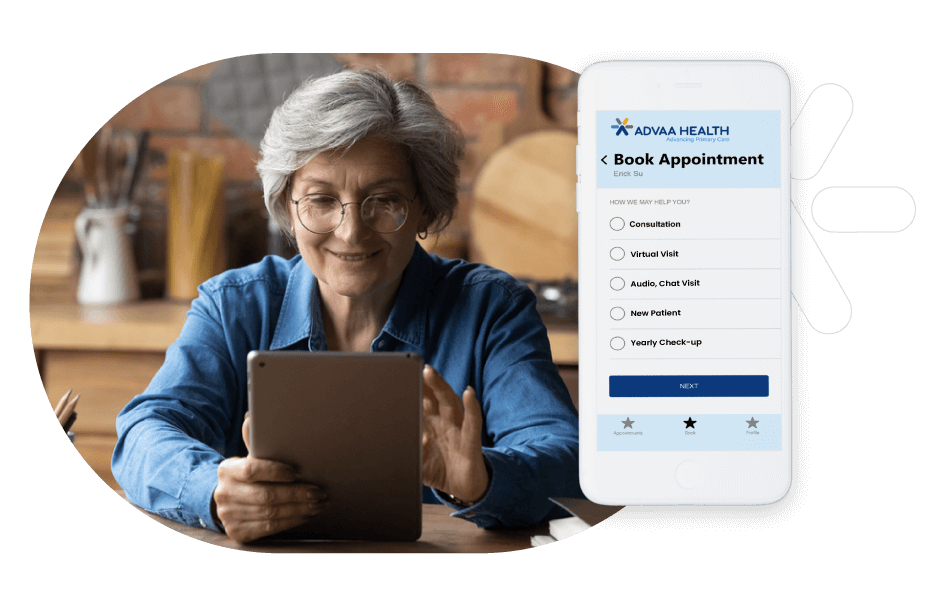
- Integrated digital solutions help: Platforms like Advaa Health EHR can support scheduling, intake, documentation, and patient engagement in a structured way, helping practices align with CMS outcome requirements.
- Real-time data: Accurate, timely patient data improves operational efficiency and readiness for outcome-based payments.
Impact on Patients
- Better access through technology: Remote monitoring and virtual engagement make care more continuous and convenient.
- Patient-centered care: The model supports ongoing, outcome-driven care, which aligns with many practices’ existing goals.
How Practices Can Prepare
- Evaluate workflows: Are scheduling, intake, and documentation processes ready to track patient outcomes continuously?
- Identify gaps: Look for fragmented systems, inconsistent documentation, or a lack of visibility in patient access.
- Phase preparation: Begin with workflow assessment and technology alignment to minimize disruption and build long-term readiness.
Takeaway
The CMS ACCESS Model is more than a new payment initiative—it represents the direction Medicare is moving, emphasizing patient outcomes, technology-enabled workflows, and continuous care. Independent practices that assess workflows, standardize documentation, and adopt technology thoughtfully will be better prepared to adapt when the model begins in 2026. By focusing on readiness rather than rushing adoption, practices can improve operational efficiency, maintain compliance, and position themselves for long-term success.
Supportive Technology
Integrated EHR platforms, such as Advaa Health, can help practices streamline scheduling, intake, documentation, and patient engagement. These tools support outcome tracking and operational efficiency, allowing practices to focus on care quality while aligning with emerging CMS expectations.