












Remote Patient Monitoring (RPM) programs often succeed or fail based on workflow execution rather than technology selection.
Many independent practices understand the value of RPM but struggle to operationalize it consistently. Common challenges include missed patient follow-ups, inconsistent documentation, unclear staff responsibilities, and difficulty maintaining monthly patient engagement.
A structured workflow helps practices create a repeatable process that supports patient care, operational efficiency, and long-term program sustainability.
This guide outlines a practical RPM workflow that independent practices can adapt to fit their clinical and operational needs.
Why Workflow Matters More Than Technology
Technology can help collect patient data, but technology alone does not create a successful RPM program.
The most effective RPM programs establish clear processes for:
- Patient identification
- Enrollment and onboarding
- Data review
- Clinical escalation
- Patient communication
- Documentation
- Ongoing program management
When these processes are clearly defined, RPM becomes easier to manage and scale.
Who Owns Each Step of the RPM Workflow?
One reason RPM programs struggle is a lack of clarity around staff responsibilities. Successful practices define workflow ownership before expanding patient enrollment.
While every practice operates differently, a typical RPM workflow may look like this:
| RPM Activity | Common Team Member Responsible |
| Patient identification | Physician, NP, or PA |
| Patient enrollment | Care coordinator or clinical staff |
| Patient education | Clinical staff or care coordinator |
| Monitoring review | Nurse, MA, or care coordinator |
| Escalation management | Physician, NP, or PA |
| Monthly patient engagement | Care coordinator or care manager |
| Documentation | Clinical team |
| Program oversight | Practice leadership |
Clear accountability helps reduce workflow gaps and improve consistency across the care team.
A Simplified RPM Workflow Overview
Although workflows vary between organizations, most successful RPM programs follow a similar process:
Patient Identification
↓
Patient Enrollment
↓
Patient Education
↓
Remote Monitoring
↓
Clinical Review
↓
Patient Engagement
↓
Documentation
↓
Program Optimization
The goal is to create a repeatable process that supports patient care without creating unnecessary administrative burden for clinical teams.
Step-by-Step RPM Workflow for Independent Practices
Step 1: Identify Appropriate Patients
The RPM workflow begins by identifying patients who can benefit from ongoing monitoring between office visits.
Common candidates include patients managing:
- Hypertension
- Diabetes
- Congestive Heart Failure (CHF)
- COPD
- Chronic Kidney Disease (CKD)
- Multiple chronic conditions
Rather than enrolling large numbers of patients immediately, many successful practices begin with a smaller group of patients who are most likely to benefit from consistent monitoring and engagement.
Step 2: Complete Patient Enrollment
Enrollment is often the first point where workflow breakdowns occur.
Practices should establish a standardized enrollment process that includes:
- Patient eligibility review
- Program explanation
- Consent documentation
- Monitoring expectations
- Communication preferences
- Initial onboarding instructions
A consistent enrollment process helps create stronger patient participation from the beginning.
Step 3: Establish Monitoring Expectations
Patients should understand what happens after enrollment.
Practices should communicate:
- What readings will be collected
- How often should readings be submitted
- When the care team reviews information
- How patients will be contacted if concerns arise
- Who to contact with questions
Setting expectations early can reduce confusion and improve long-term engagement.
Once onboarding is complete and expectations are established, practices can begin collecting and reviewing patient-generated health data.
Step 4: Monitor Incoming Patient Data
Once monitoring begins, practices need a clear process for reviewing incoming patient information.
Many organizations establish internal protocols for:
- Reviewing submitted readings
- Identifying abnormal trends
- Prioritizing high-risk patients
- Escalating clinical concerns
- Documenting actions taken
The goal is not simply to collect data. The goal is to identify meaningful changes that may require clinical attention.
Step 5: Escalate Clinical Concerns When Necessary
Not every abnormal reading requires immediate intervention.
Successful RPM workflows define escalation pathways that help staff determine:
- Which readings require review
- Which readings require outreach
- When providers should be notified
- When should appointments be scheduled
- When urgent intervention may be needed
Defined escalation processes improve consistency and reduce uncertainty across the care team.
Step 6: Maintain Monthly Patient Engagement
One of the most overlooked components of RPM is ongoing patient engagement.
Enrollment alone does not create successful outcomes.
Practices should establish repeatable processes for:
- Monthly patient communication
- Care coordination discussions
- Treatment plan reinforcement
- Patient education
- Follow-up reminders
Consistent engagement often plays a significant role in maintaining patient participation over time.
Step 7: Document RPM Activities Consistently
Documentation supports both clinical continuity and operational efficiency.
Practices should document:
- Patient interactions
- Care coordination activities
- Monitoring reviews
- Escalation actions
- Clinical recommendations
- Follow-up activities
Standardized documentation processes reduce administrative confusion and support program consistency.
Step 8: Review Program Performance Regularly
RPM workflows should evolve.
Practices can periodically evaluate:
- Enrollment rates
- Patient participation
- Staff workload
- Documentation consistency
- Communication effectiveness
- Operational bottlenecks
Regular workflow reviews help identify opportunities for improvement before small issues become larger operational challenges.
Common RPM Workflow Challenges
Even well-designed RPM programs encounter obstacles.
Common workflow challenges include:
Low Patient Participation
Patients may stop submitting readings consistently if expectations are unclear or communication becomes inconsistent.
Staffing Gaps
Programs often struggle when workflow ownership is not clearly assigned.
Documentation Inconsistency
Incomplete documentation can create operational inefficiencies and reimbursement challenges.
Communication Delays
Delayed outreach may reduce the effectiveness of monitoring programs.
Identifying these issues early helps practices maintain program stability.
Signs Your RPM Workflow May Need Improvement
As RPM programs grow, operational inefficiencies often become more noticeable.
Practices may need to revisit their workflow if they experience:
- Low patient participation rates
- Missed monthly patient engagement activities
- Documentation inconsistencies
- Delayed follow-up on abnormal readings
- Unclear staff responsibilities
- Difficulty scaling RPM enrollment
- Excessive administrative workload
Identifying workflow bottlenecks early can help practices maintain both patient engagement and operational efficiency.
Building a Sustainable RPM Workflow
The most successful RPM programs are built around operational consistency rather than complexity.
Practices that create clear workflows for enrollment, monitoring, communication, escalation, and documentation are often better positioned to scale RPM without overwhelming clinical staff.
Rather than viewing RPM as a separate initiative, independent practices should integrate monitoring activities into existing care management processes whenever possible.
Final Thoughts
Launching an RPM program is only the first step. Long-term success depends on building a workflow that can be consistently executed by the care team.
Practices that establish clear processes for patient enrollment, monitoring, communication, escalation, and documentation are often better positioned to scale RPM successfully.
Rather than functioning as a separate initiative, RPM works best when integrated into existing chronic care management and patient engagement workflows.
With the right operational foundation, independent practices can use RPM to strengthen chronic care management, improve patient relationships, and support sustainable growth.
Download the RPM Launch Guide
Looking to strengthen your RPM operations?
Download our free RPM Launch Guide for workflow strategies, implementation recommendations, and operational best practices designed specifically for independent practices.
See the RPM Workflow in Action
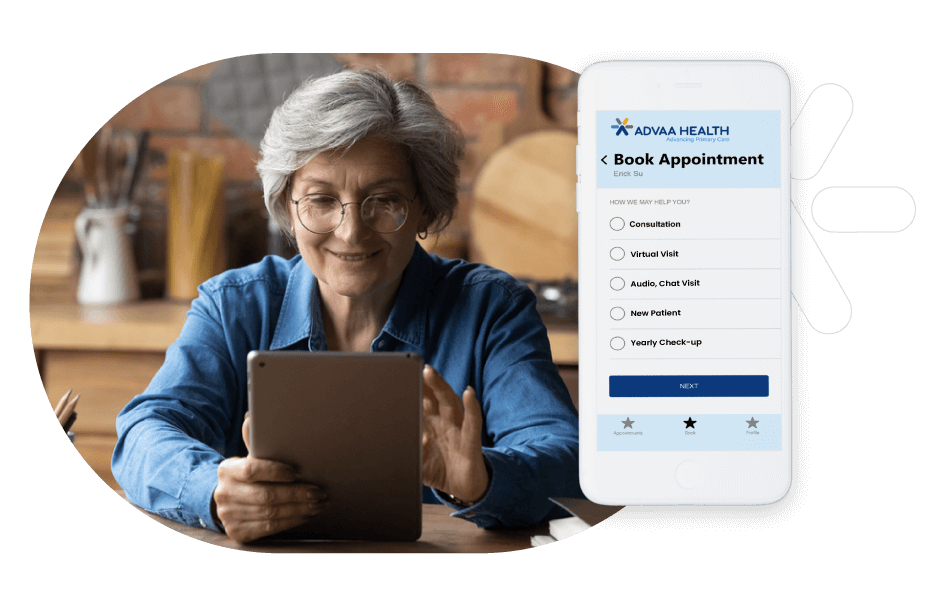
If you’re evaluating ways to streamline patient enrollment, monitoring, documentation, and care coordination, schedule a demo to see how Advaa Health helps independent practices manage connected chronic care through an integrated digital care platform.