








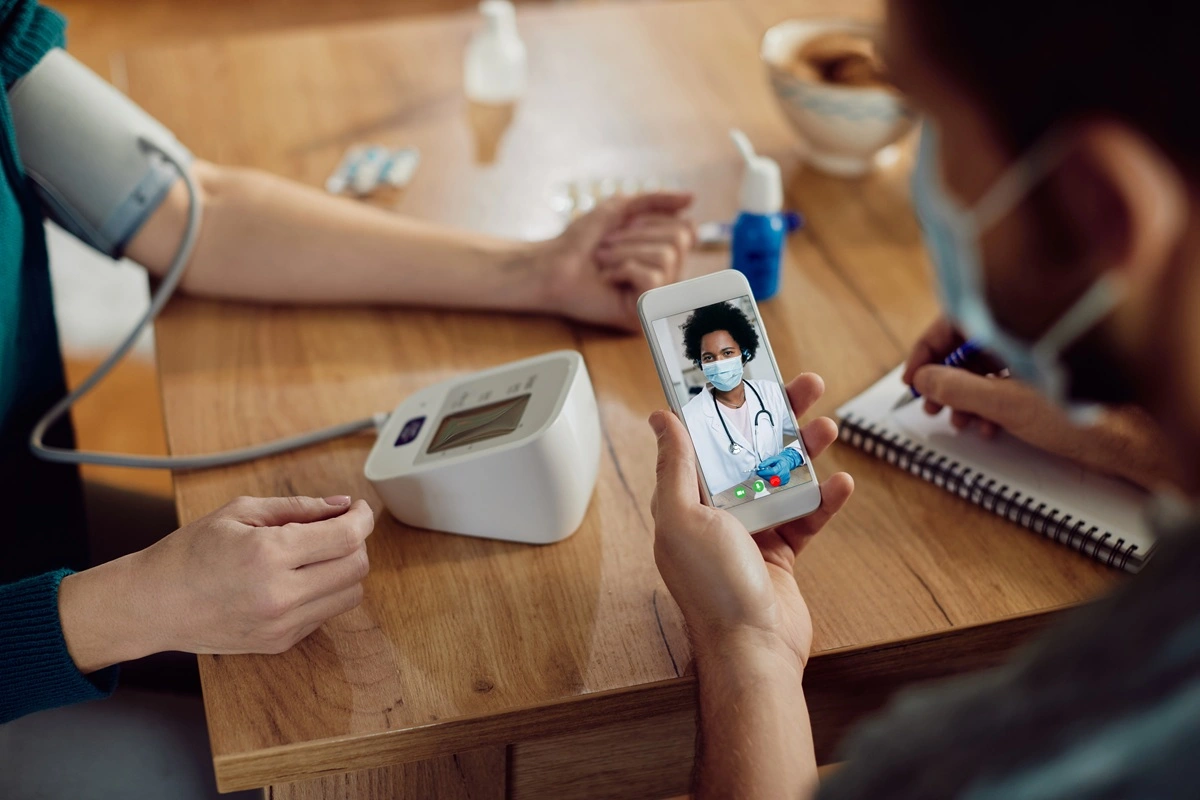


Direct Primary Care (DPC) has grown by prioritizing stronger physician-patient relationships, transparent pricing, and more personalized care experiences. However, many DPC practices still face a common challenge: maintaining visibility into patient health between visits.
Patients with chronic conditions often require ongoing support long after an office appointment ends. While the DPC model creates more time for patient care, it does not automatically provide continuous clinical visibility.
Remote Patient Monitoring (RPM) helps bridge that gap.
By allowing practices to monitor patient-generated health data remotely, RPM can extend care beyond the exam room and help physicians identify potential issues earlier. For many DPC practices, RPM serves as a natural extension of relationship-based care rather than a separate service line.
This guide explores how DPC practices can successfully incorporate RPM into their care model while maintaining operational simplicity and patient-centered care.
Why RPM Fits Naturally into the DPC Model
Many DPC physicians already provide a level of accessibility that is difficult to achieve in traditional fee-for-service settings. RPM complements that approach by giving physicians better insight into what happens between visits rather than relying solely on periodic office encounters.
The foundation of Direct Primary Care is proactive, ongoing patient engagement.
Unlike traditional episodic care models that focus heavily on office visits, DPC practices often emphasize:
- Long-term patient relationships
- Preventive care
- Chronic disease management
- Accessibility and communication
- Personalized treatment plans
One of the frustrations many DPC physicians face is not knowing what’s happening between visits. RPM helps close that gap by giving visibility into blood pressure, glucose, weight, and other trends without requiring the patient to come into the office.
Rather than waiting months for a follow-up visit, physicians can gain a clearer understanding of patient trends and identify concerns before they become larger clinical problems.
For many DPC practices, RPM strengthens the continuity of care that already defines the DPC model.
Where RPM Delivers the Greatest Value for DPC Practices
Many chronic conditions require ongoing observation rather than occasional intervention.
Examples include:
- Hypertension
- Diabetes
- Congestive Heart Failure (CHF)
- COPD
- Obesity and weight management
- High-risk cardiovascular patients
Without ongoing monitoring, treatment decisions are often based on limited snapshots collected during office visits.
RPM provides additional context by allowing practices to review trends over time rather than relying solely on isolated readings. This longitudinal view often helps physicians make more informed treatment decisions than office-based measurements alone.
This visibility can support more informed clinical decision-making while helping patients remain engaged in their own care.
Which DPC Patients Benefit Most From RPM
Not every patient requires remote monitoring.
For example, a patient with hypertension may have normal blood pressure during an office visit but elevated readings at home. RPM can reveal those patterns and provide a more complete picture of the patient’s condition.
However, RPM often delivers the greatest value for patients who:
- Manage one or more chronic conditions
- Require frequent follow-up
- Need additional accountability
- Experience fluctuating health metrics
- Benefit from regular physician oversight
Patients who struggle with blood pressure control, diabetes management, medication adherence, or frequent care gaps may particularly benefit from ongoing monitoring and communication.
When patient selection is thoughtful, RPM becomes a targeted care enhancement rather than a broad operational burden.
How RPM Enhances the DPC Patient Experience
One of the biggest advantages of Direct Primary Care is accessibility.
For some DPC practices, RPM can also help reinforce membership value by extending physician visibility and support beyond scheduled office visits.
Patients appreciate having easier access to their physician when questions or concerns arise.
Imagine a patient with uncontrolled hypertension sending blood pressure readings from home. Instead of waiting three months for the next visit, the physician can spot a trend early and adjust the treatment plan before the condition worsens.
Patients often feel more connected to their care when they know their health information is being reviewed between visits.
This can help:
- Improve patient confidence
- Encourage adherence to treatment plans
- Reinforce lifestyle changes
- Increase patient participation in care decisions
- Strengthen long-term retention
Many DPC physicians already communicate with patients by text, phone, or portal messages. RPM adds objective health data to those conversations, making them even more valuable.
Operational Considerations Before Adding RPM
Although RPM aligns well with DPC philosophy, successful implementation still requires planning.
Before introducing RPM, practices should understand RPM implementation best practices and establish workflows that align with their existing care model.
Patient Eligibility
Identify patient populations most likely to benefit from monitoring.
Staff Responsibilities
Many practices create a standardized RPM workflow to define responsibilities for monitoring review, patient communication, and follow-up activities.
Monitoring Protocols
Establish clear expectations regarding abnormal readings, escalation pathways, and patient communication.
Documentation Processes
Develop consistent workflows for recording patient interactions and monitoring activities.
Keeping operational processes simple often improves long-term sustainability.
Avoiding Common RPM Mistakes in DPC Practices
Some practices assume RPM automatically improves outcomes.
In reality, success depends on how RPM is integrated into existing care processes.
Common mistakes include:
Monitoring Too Many Patients Initially
Starting small allows practices to refine workflows before expanding.
Overcomplicating Communication
Patients should receive clear, predictable communication rather than excessive outreach.
Focusing Only on Technology
Devices alone do not improve outcomes. Patient engagement remains essential.
Creating Separate Care Processes
RPM works best when integrated into existing patient management workflows rather than treated as a standalone initiative.
Practices looking to scale RPM efficiently should focus on implementing RPM without increasing staff burden through streamlined workflows and automation.
How RPM Supports the Future of Direct Primary Care
As healthcare continues shifting toward prevention, chronic disease management, and continuous patient engagement, DPC practices are uniquely positioned to benefit from RPM.
Both models emphasize:
- Proactive care
- Strong patient relationships
- Long-term health improvement
- Greater physician visibility
- Better patient engagement
RPM helps physicians stay connected to patients between visits while making decisions based on real-world health data instead of occasional office readings.
For many DPC practices, RPM is not a departure from the DPC philosophy—it is an extension of it.
Final Thoughts
Direct Primary Care practices have always focused on building stronger physician-patient relationships and delivering more personalized care.
Remote Patient Monitoring helps physicians stay informed about patient health between visits, making it easier to deliver proactive care and manage chronic conditions.
For DPC practices seeking to expand care beyond traditional office visits, RPM offers a practical way to strengthen patient relationships while supporting more proactive chronic disease management.
RPM is not about replacing the relationship-driven nature of Direct Primary Care. It is about extending it. By combining ongoing communication with real-world patient health data, DPC practices can stay connected to patients between visits while delivering more proactive chronic disease management.
Download the RPM Launch Guide for Independent Practices
Looking to evaluate how RPM could fit within your DPC model?
Download our RPM Launch Guide to explore patient monitoring strategies, workflow considerations, and implementation best practices for independent practices.
See RPM Workflows in Action
Schedule a demo to see how Advaa Health helps Direct Primary Care practices support Remote Patient Monitoring, patient engagement, and connected chronic care management through a unified digital care platform.